


Best Must-See Attractions in Barcelona
Must-See Venues in Barcelona
See more venues
All attractions in Barcelona


 Barcelona
FC Barcelona Museum: Barça Immersive Tour Entry Ticket + Unique Experiences
 (556)
From
44
€


 Barcelona
FC Barcelona Ice Rink: Entry Ticket

Barcelona: Top 5 Things to Do, from Gaudí to FC Barcelona
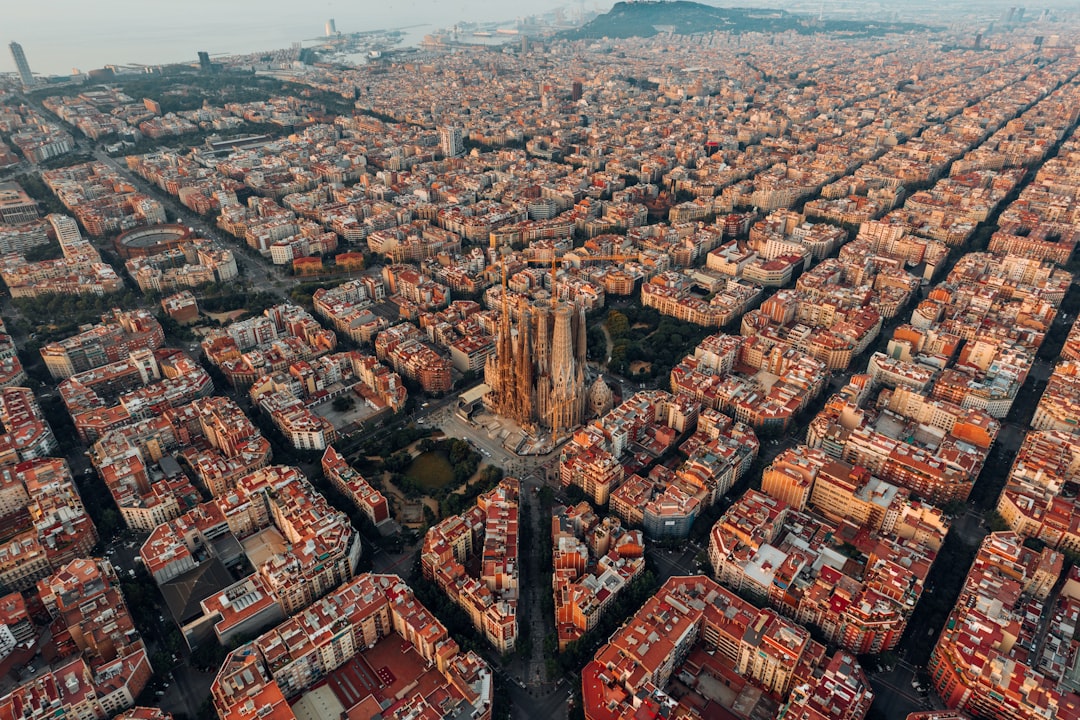
Barcelona’s Sagrada Família anchors a city celebrated for architecture, Mediterranean life and sport. The capital of Catalonia lies on Spain’s northeastern coast, between the Llobregat and Besòs rivers, with the Serra de Collserola rising to the west. Its streets connect the medieval old town with the distinctive grid of the 19th-century city, while beaches and hillside parks broaden the landscape beyond its monuments.
Catalan culture gives Barcelona a strong identity, expressed particularly clearly in the buildings of Antoni Gaudí and Lluís Domènech i Montaner. Sport is another defining thread: the city hosted the 1992 Summer Olympics and is home to FC Barcelona. Exploring its architectural heritage alongside its football culture reveals two of its most recognisable faces.
Top 5 things to do in Barcelona
5. Explore FC Barcelona’s museum
FC Barcelona is a major part of the city’s sporting identity. The FC Barcelona Museum provides a focused introduction to the club through its Barça Immersive Tour and audio guide. It adds a football perspective to a visit otherwise dominated by architecture and historic streets, connecting Barcelona’s international reputation with the team that carries its name.
4. Walk through the Gothic Quarter
The Barri Gòtic brings Barcelona’s medieval centre into focus through winding streets, small squares, fountains and palaces. Make the Cathedral and its cloister central to your walk, then explore the surrounding streets and Plaça Reial. The Museu d’Història de Barcelona adds a museum stop to this exploration of the old city, whose enclosed spaces contrast with the broader streets of later Barcelona.
3. Discover Barcelona’s Modernist architecture
Casa Batlló and Casa Milà, also known as La Pedrera, make the Eixample essential territory for understanding Gaudí’s architectural legacy. Extend that exploration to Lluís Domènech i Montaner’s Palau de la Música Catalana and Hospital de Sant Pau, both recognised as UNESCO World Heritage Sites. A performance at the Palau connects its architectural significance with its continuing role in the city’s cultural life.
2. Visit Park Güell
Park Güell brings Gaudí’s architecture into Barcelona’s hillside park landscape. It belongs to the UNESCO-recognised group of his works and provides an important counterpart to the houses and basilica elsewhere in the city. Give it a separate visit: seeing Gaudí’s work in a park setting expands an understanding of an architect whose buildings are central to Barcelona’s visual identity.
1. See the Sagrada Família
The Sagrada Família is Barcelona’s most emblematic landmark and the essential starting point for understanding Gaudí’s place in the city. The basilica stands in the Eixample and forms part of the UNESCO-recognised heritage associated with his work. Give it focused attention as a monument in its own right: no other single building is as closely identified with Barcelona in the city’s architectural landscape.