Best Stadium tours in London
Must-See Venues in London


Current Events and Exhibitions in London
All attractions in London

 London









Top 10 Things to Do in London: Landmarks, Culture & Sport
The Tower of London, Westminster and Buckingham Palace give London an extraordinary concentration of royal and political landmarks. The capital and largest city of England and the United Kingdom stands on the River Thames in southeast England. Its Roman core, the City of London, developed into a major trading and financial centre, while Westminster became the seat of national government. Today, the wider metropolis combines this long history with a cultural life shaped by communities speaking more than 300 languages.
Museums, galleries and West End stages are central to a visit, but sport also deserves attention. Wembley hosts the FA Cup Final, Wimbledon brings its annual tennis championships, and the London Marathon turns the city into the setting for a major recurring sporting event. Together, these traditions reveal a capital whose public life extends well beyond its monuments.
Top 10 things to do in London
10. See a West End theatre production
London's theatre tradition remains a defining part of its cultural identity. Around Leicester Square, Covent Garden, Shaftesbury Avenue and Haymarket, the West End brings together major plays and musical theatre. Watching a production gives this district a purpose beyond sightseeing; the performance itself is the attraction. Across the river, the National Theatre and Globe add further depth to London's stage culture.
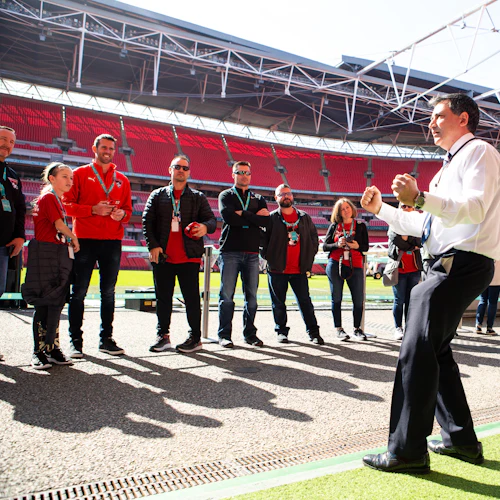
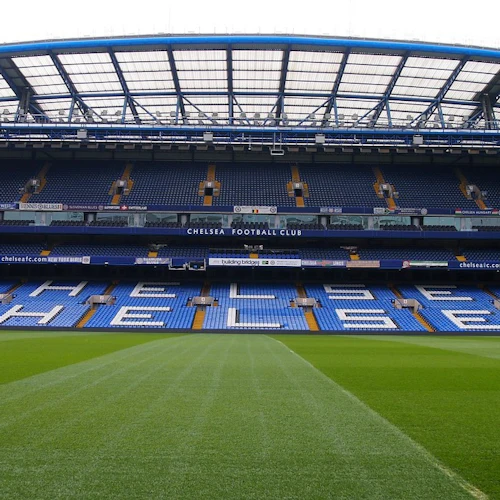
9. Explore Wembley Stadium
The home of the annual FA Cup Final is a natural starting point for understanding London's sporting significance. A guided stadium tour brings the venue itself into focus, beyond the spectacle of a televised match. Wembley also belongs within a broader sporting picture: London's calendar includes Wimbledon and the London Marathon, and the city has hosted three Summer Olympic Games.
8. Visit the British Museum
The British Museum is one of the principal institutions behind London's reputation as a museum city. Give it a dedicated place in the itinerary, with time to concentrate on the displays that interest you. London's museum landscape also includes the Natural History Museum, while the British Library adds another major cultural institution to the capital's exceptional concentration of collections.
7. Explore Trafalgar Square and the National Gallery
Nelson's Column and its surrounding lions make Trafalgar Square one of London's most recognisable public spaces. The Fourth Plinth adds a changing artistic presence to this monumental setting. Overlooking the square, the National Gallery makes it possible to combine a major landmark with time devoted to art, moving from the open civic space into one of the capital's leading galleries.
6. Take in the view from the London Eye
The London Eye gives the Thames a central role in understanding the city. Set on the South Bank, the observation wheel provides elevated views across London, helping connect landmarks that can feel separate at street level. Its appeal lies in that broad perspective: the river, surrounding buildings and wider skyline become parts of a single cityscape.
5. Visit St Paul's Cathedral
Sir Christopher Wren's cathedral is a defining feature of the City of London. Built after the Great Fire of 1666, St Paul's draws attention through its great dome and the scale of its architecture. Inside, the Whispering Gallery is known for its acoustics, while a viewing area opens up views across the surrounding city, including the nearby Millennium Bridge.
4. See Tower Bridge
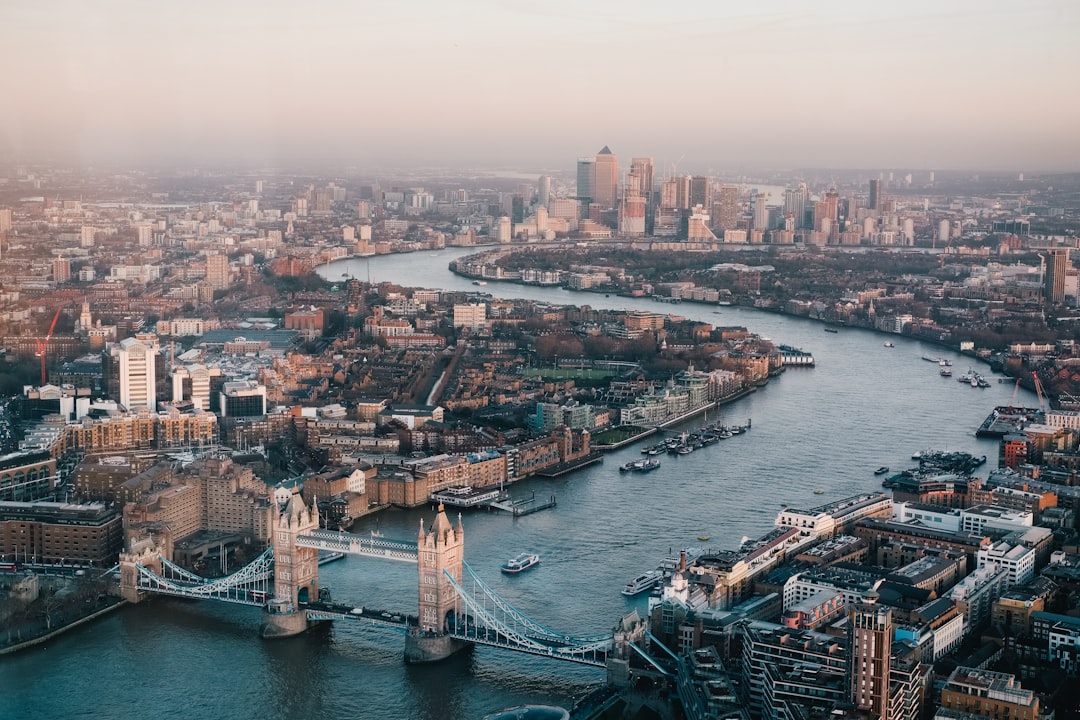
Tower Bridge combines a working river crossing with one of London's most distinctive silhouettes. Its towers and opening bridge structure give the 19th-century landmark a character immediately recognisable from the Thames. Walking across reveals its relationship with the river and the neighbouring Tower of London; the interior exhibition provides another perspective on the bridge itself.
3. See Buckingham Palace and the Changing of the Guard
Buckingham Palace anchors London's royal ceremonial landscape. The King's London residence remains a significant sight from outside, with the Changing of the Guard adding a living military tradition to its formal setting. The ceremony involves Buckingham Palace, St James's Palace and Wellington Barracks. Nearby royal parks provide space to extend a visit beyond the palace frontage.
2. Explore Westminster Abbey and the Houses of Parliament
Westminster brings royal ceremony and parliamentary government into close view. Westminster Abbey has hosted coronations since 1066, while the Palace of Westminster houses the United Kingdom's Parliament. Look closely at the Elizabeth Tower: Big Ben is the name of its bell. Together, these buildings form one of London's defining architectural groups and a powerful introduction to its national role.
1. Visit the Tower of London
The Tower of London brings the capital's royal history into its most compelling physical setting: a fortress beside the Thames. Built by William the Conqueror after the Norman Conquest, it is now a World Heritage site. The Crown Jewels and the Beefeaters are central to its visitor appeal, while the fortress itself gives substance to London's long association with monarchy and power.




 9
 51